

Understanding AI Bias in Recruitment
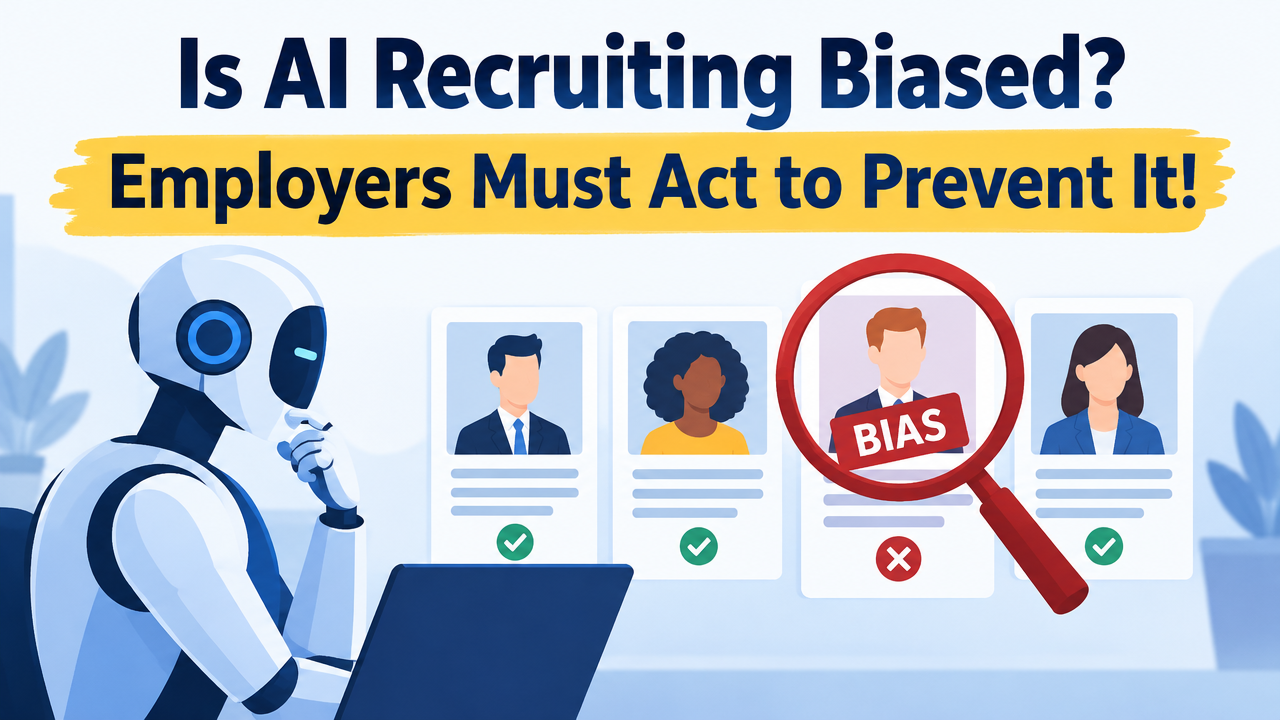
The recruiting landscape has evolved significantly with the advent of artificial intelligence (AI), yet bias still permeates the hiring process. Initially, the hope was that AI could eliminate human bias, but studies have revealed that AI tools can inadvertently perpetuate existing stereotypes. For employers, acknowledging that AI can be biased is crucial to creating a more equitable hiring process.
The Four Entry Points for Bias
Most of the bias seen in AI hiring tools actually stems from four distinct areas:
Training Data: If a model learns from data that reflects past hiring decisions, it will likely seek out candidates similar to those already selected, which can reinforce existing biases.
Proxy Variables: Even seemingly neutral variables like postcode or résumé language can signal biases related to race, gender, or age.
Feedback Loops: A model's tendency to favor candidates based on prior success can lead to systematic disadvantages for underrepresented groups.
Biased Briefs: When a client specifies preference for terms like "culture fit" or “top-tier firms,” the AI will filter candidates accordingly, maintaining the status quo.
Impact of AI Bias on Diversity
Consider the implications of AI bias: The Stanford Institute found that a screening tool negatively impacted 26% of Black applicants and 15% of Asian applicants despite appearing fair overall. Such findings highlight the disparities that can arise when using AI indiscriminately. The time has come for employers to audit their AI tools and refine their approach to ensure fair and inclusive hiring processes.
Moving Ahead with Proper Strategies
So what can companies do? Setting explicit hiring criteria, regularly reviewing AI outputs, and ensuring diverse representation in training data are all critical steps. Moreover, involving human oversight in AI decisions can significantly mitigate bias and promote a more inclusive workplace. The drive for diversity and equity should be at the forefront of technological solutions in recruitment, not sidelined.
For employers, it’s not just about implementing the latest technology; it’s about ensuring that this technology serves all potential candidates fairly. By emphasizing inclusive hiring strategies and being vigilant against hidden biases, organizations can wield the power of AI to foster a more equitable job market for everyone.





Write A Comment