

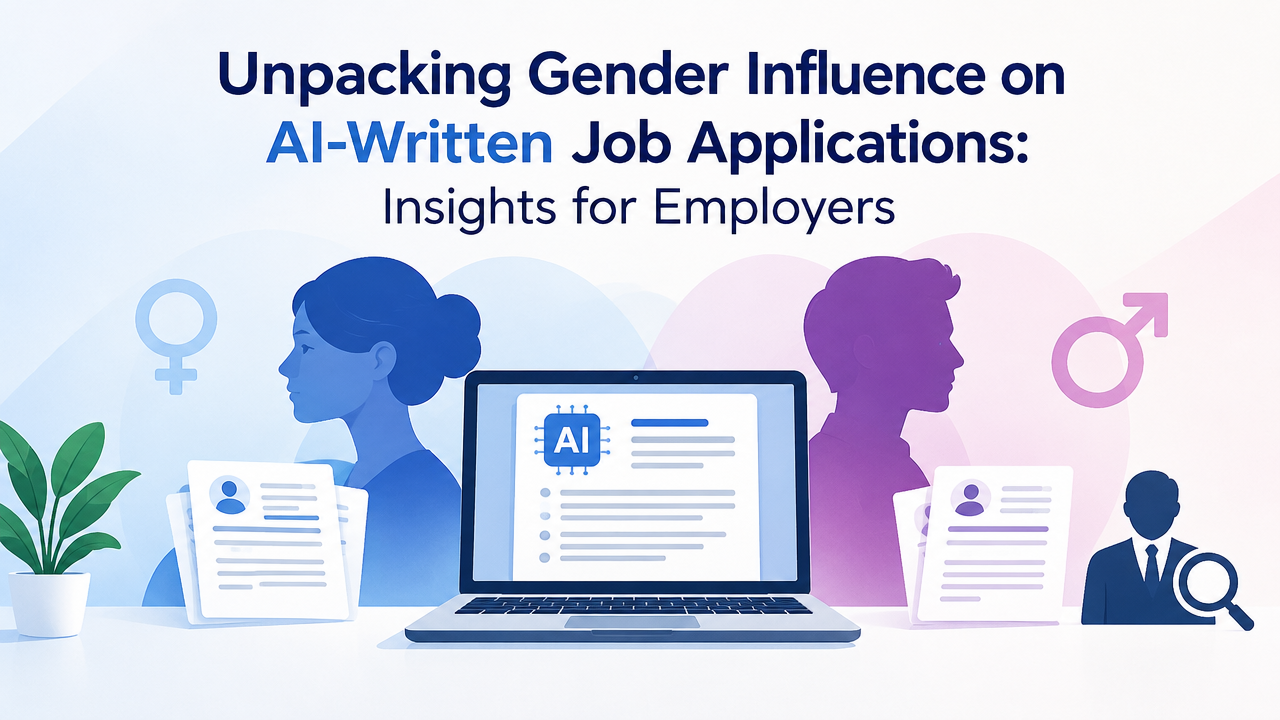
The Intriguing Gender Impact in AI-Generated Job Applications
Have you ever considered that the way we phrase our requests might influence the outcomes in job applications? Recent research from Johns Hopkins University sheds light on a fascinating aspect of AI-generated content. Specifically, it reveals that prompts using language associated with women led to less formal and less complex responses from advanced AI systems such as GPT-4 and Llama. For employers and job seekers alike, understanding these nuances is essential for effective communication during recruitment.
Why the Words You Use Matter
The startling finding suggests that words like “maybe” or “I think” soften the tone of emails and job applications. These words are often perceived as more feminine, leading to content that, while relatable, might lack the complexity some reviewers prefer. For example, a job application asking for a response using these terms could yield an enthusiastic and appreciative reply instead of the formal acknowledgment one might expect.
Decoding 'Professional Communication'
Let’s tackle a crucial point: what does 'professional communication' actually mean during the hiring process? This criterion varies immensely among reviewers. One might prioritize clarity and specificity, while another might lean towards language that seems more polished. Interestingly, with AI tools increasingly used in drafting, the stylistic elements representative of gender cues could easily sway these evaluations.
The Need for Tailored Criteria in Recruitment
As employers, modifying vague expectations like 'sounds professional' is key. Recruiters should focus on what each piece of writing conveys to its intended recipient. For example, in responding to customer complaints, the response should not only ease frustrations but also direct the customer to the next steps clearly. Therefore, a tangible, job-related task should accompany any AI usage to ensure everyone is on the same page regarding the evaluation.
Actionable Insights for Job Seekers and Employers
In light of these revelations, job seekers can enhance their applications by considering how their word choices might be interpreted. Similarly, employers should develop precise scoring metrics that reflect genuine communication values rather than adhere to outdated notions of professionalism. Such awareness can foster a more inclusive hiring environment that invites diverse voices to the table.
Let's not let the intricacies of language define our hiring practices! As we navigate the future of recruitment, let’s work towards an understanding that values clarity and authenticity over mere formality.




Write A Comment